
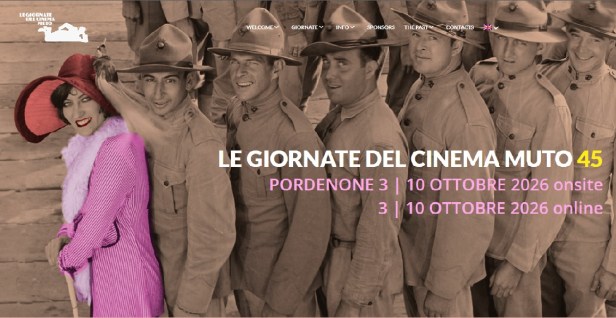
The 2026 edition of this major Silent Film Festival from the 3rd till the 10th of October. As usual the main festival programme will be presented in the Teatro Verdi in Pordenone. However, on Friday 2nd there will be a screening in the Zancanaro Theatre in nearby Sacile of For Heaven’s Sake (1926) accompanied by the Zero Orchestra. The Saturday morning programme on the 10th will be in the Cinema Zero as the orchestra rehearse for the final night’s special event. This will be a screening of John Ford’s classic The Iron Horse (1924), a seminal western which will have an orchestral accompaniment with a newly composed score by John Lanchbury. The opening night features Douglas Fairbanks senior in Don Q – Son of Zorro (1925), also with a newly composed orchestral score by Andrej Goričar. In between there are a varied set of programmes – 250 titles from 19 countries or territories.
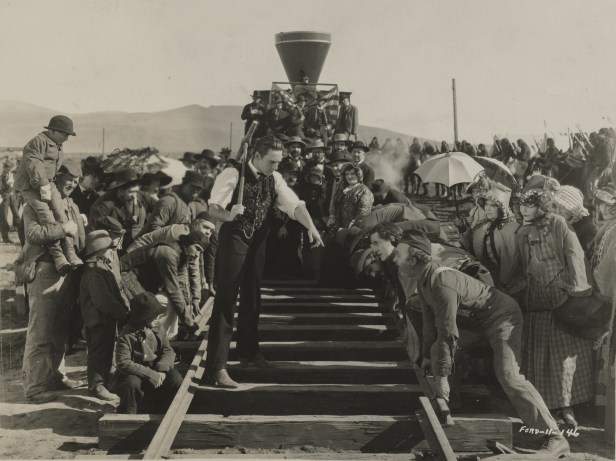
George O’Brien
Credit: AMPAS/Margaret Herrick Library, Beverly Hills
The Art of the Benshi presents Japanese films that mostly have few or even no intertitles, and which enjoyed a distinctive narrator style. The programme includes the famous avant-garde film directed by Kinugasa Teinosuke, A Page of Madness (Kurutta Ippēji, 1926). Cinephiles who have seen this masterpiece will know that whilst it has a plot of some sort, following this is very challenging. So it will be interesting to see how the Benshi, Kataoka Ichiro [like the titles travelling from Japan for the occasion] illuminates the film.
Weimar Uncensored: Taboos and Transgressions in 1919-1920 presents films following the end of World War I from a Germany torn by the effects of war, social conflicts and a period which saw artistic experimentation and new licence. The titles include work by film-makers Robert Wiene and Fritz Lang and some pretty adult movies.
Marshal Neilan, a Hollywood director, is the focus of a retrospective. He was a favourite director of Mary Pickford who appears in a newly restored M’liss (1918). Neilan also directed the fine comedienne Coleen Moore who appears in Her Wild Oat (1927).
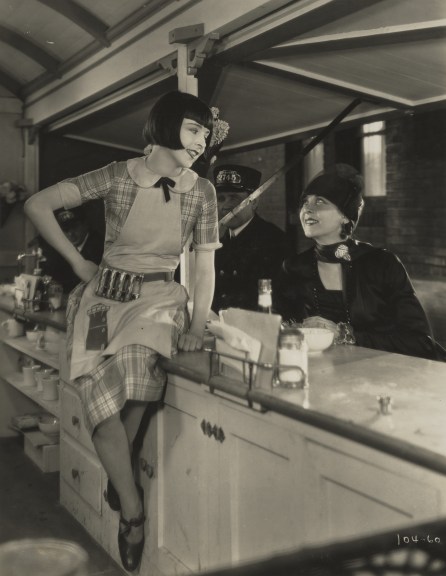
Colleen Moore
Credit: AMPAS/Margaret Herrick Library, Beverly Hills
The star focus is Italia Almirante Manzini who was the subject of a first part of a retrospective in 2025. She was a talented and powerful screen presence, though, unfortunately, nearly all the movies screened then were incomplete and following plots was challenging. We are promised a new restoration of her final Italian film, L’arzigogolo (1924 – literally ‘convoluted or tortuous’), a sumptuous Renaissance-set drama, and it sounds like this is a fairly complete production.
In a series focussing on Italian provinces we will enjoy films produced in Lazio; sited in the centre of the country and includes the national capital, Rome. An Early Spanish Cinema programme will include fifty short films from between 1896 and 1919; and two performances will enjoy accompaniment from Spanish musicians. Among the programmes of short films will be one on Female Madness.
There is the regular revisiting of classics in The Canon Revisited. This year will include a title directed by Evgenij Bauer; a master of melodrama and mise en scene. This will be A Life for a Life (Zhizn za zhizn, 1916). Also a title from the master of early Swedish cinema Victor Sjöström’s The Outlaw and his Wife (Berg-Ejvind och hans hustru, 1918). There are also Rediscoveries and Restorations, including Gloria Swanson in the 1924 Sadie Thomson; adapted from the classic Somerset Maugham story, remade several times.
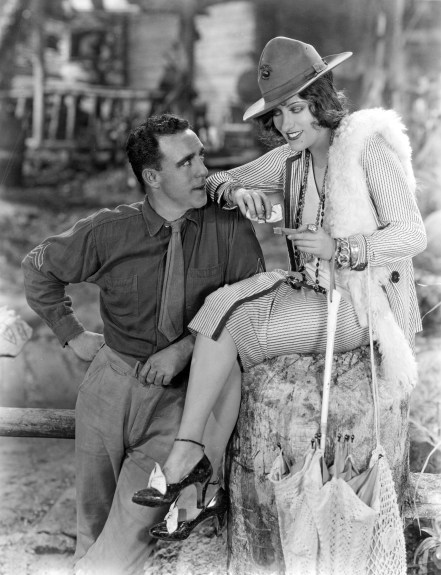
Raoul Walsh, Gloria Swanson
Credit: Milestone Film & Video, Harrington Park
There are to be both pro-war and anti-war texts: Czech Experimental Shorts: Antiquity in Silent Cinema: and a personal favourite, Sine nomine, unidentified films and fragments. After the screenings archivists and cinephiles often come up with an identification and these are listed on the Giornate web pages.
The complete press release with this information is to be found in the Press Area on the Giornate site along with a calendar of screenings for the week., This also contains the formats for the screenings, predominately digital. And there are the musicians listed for accompaniment; the latter being one of the great attractions the Festival. There is the traditional Film Film, including introduction to new books on cinema. And if one can find the time there are the Musician’s master classes and the Collegiums on topics associated with the Festival programme. And there are two major lectures presented in the Teatro Verdi.
So it is a very full week and time has to be found to eat and sleep. The weather forecast is for warm, 20 plus but with the chance of rain later in the week.

