
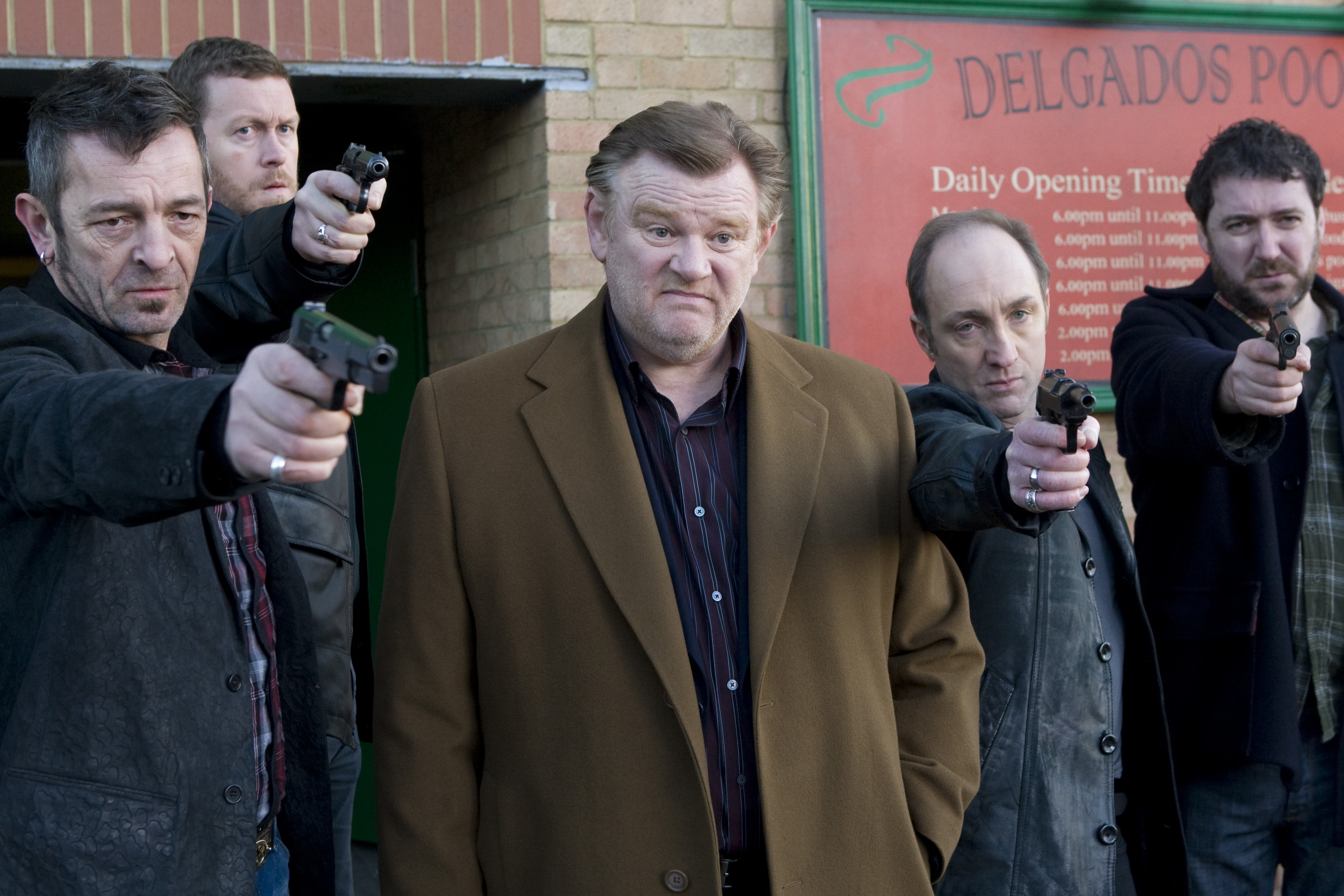
The 16th Festival organised by the National Media Museum is the first since Bradford became the UNESCO City of Film. Appropriately, this is eleven days packed with interesting screenings: a really strong and varied programme. The Festival’s opening premiere on March 18th is Perrier’s Bounty: an Irish gangster film, which appears to favour the surreally comic take on the genre. The appearance of Brendan Gleeson and Cillian Murphy in leading roles is promising. The Festival closes on Sunday March 28th with a digital restoration of the much-loved classic, The Railway Children (1970). The latter fits in well with the festival’s established focus on Britain’s native cinemas.
This theme is showcased in the now regular feature of special guests: this year these include John Hurt, Imelda Staunton and Rita Tushingham. There is also a feature on Nicholas Roeg, though it seems he will not be able to make in person. Each of the stars will appear in talks and Q & As. There are also examples of their major films. John Hurt’s is the most extensive, and includes the very fine The Elephant Man (1980), the really interesting though flawed Scandal (1989) and, as part of the WideScreen weekend within the Festival, the first (and best) Alien (1979) in 70 mm. The other fine feature on a ‘widescreen’ is Woody Allen’s Manhattan (1979).
Rita Tushingham will be attending to accompany Roeg’s 2007 film Puffball. She will also introduce a screening of A Taste of Honey (1961). This is part of the Museum’s continuing retrospective of the work of the Yorkshire filmmaker Tony Richardson. The Roeg’s retrospective includes the famous Performance (1970) and Don’t Look Now (1973). And there is also one of his best films The Man Who Fell to Earth (1976).
The other well-known guest is the Brazilian director Fernando Meirelles: City of God (Cidade de Deus, 2002). A quote from Sight & Sound places him among the ‘ten best directors’ working in contemporary cinema, which I think rather inflates his achievements, but his first and his most recent film, Blindness (2008) are worth seeing on the big screen.
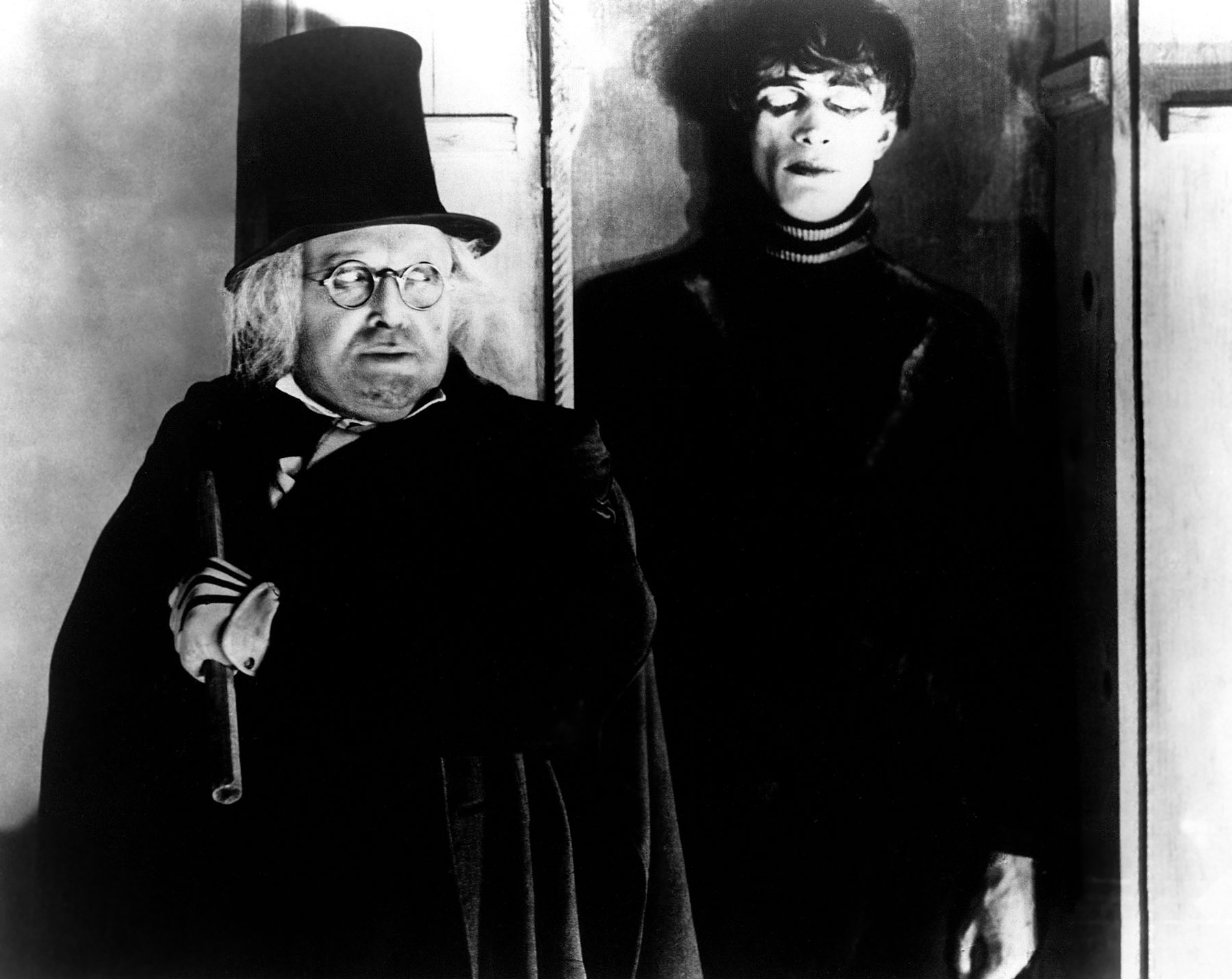
There are other classic films in the Festival, The Cabinet of Dr. Caligari (1920) and The Phantom of the Opera (1925, this is the Lon Chaney version), both accompanied by live music. Other sessions that promise to be really interesting are on the early film star Anna May Wong, including her British silent Piccadilly (1929). And a session of the pioneer British filmmaker Cecil Hepworth with examples of his work from the first three decades of cinema. There is a documentary about the great French film archivist Henri Langlois and another on the French director Henri-Georges Clouzot.
The Festival also offers number of sections devoted to specific topics. The largest is Moviedrome, which offers premieres and previews from around the world. There is a new film from the veteran French director Jacques Rivette Around a Small Mountain (36 Vues du Pic Saint Loup, 200). An award winning film from Croatia, The Blacks (Crnci, Croatia, 2006) directed by Goran Devic and Zvonimur Juric. There is the new film by the world’s oldest working director Manoel de Oliveira (now a 100) Eccentricities of a Blonde Haired Girl (Singularidades de Uma Rapariga Loura, 2009). And also a new film by the much younger British director Alex Cox (who will attend this premiere) Repo Chick.
There is Hollywood North: New Canadian Cinema which includes a film set in the Inuit culture, The Necessities of Life (Ce Qu’il Faut Popur Vivre, 2008) and a youth film, Victoria Day (2009). Uncharted States of America is the fourth in a series focusing on US Indie Cinema (Independents). This section is worth taking chances on as in previous years it has rewarded with some really interesting screenings. And there is US Teen Movies, charting the genre from the 1955 film Rebel Without a Cause, through four other titles to the 1995 Welcome to the Dollhouse: an intelligent piece of programming.

So there is a lot to fit into the eleven days of the Festival, but a lot of pleasure and interest to be gained. The Festival has expanded this year to include venues elsewhere in Bradford, in Saltaire, Ilkley, Hebden Bridge and Leeds. So it will pay to spend time studying the programme schedule. There is a printed brochure but it is online at www.nationalmediamuseum.org.uk/biff
 itp Global Film
Good films and good directors. Especially Devic’ and Rivette’ films must be seen.
LikeLike
Dear Della
I am sure you are right. Unforetunately [maybe] a lot of people have read the comment – the Festival screening for the Rivette is sold out. However, I think it is due to get a release in the UK.
LikeLike
Apologies, I was misinformed about the BIFF screening of the Rivette film. It was not sold out. However, the 35mm has gone astray so they had to use a DVD, which apparently was below par. So hoping it gets a general release.
Meanwhile Devic’s film ‘Blacks’ is till to come.
LikeLike